See real patient success stories.
TMJ/TMD Treatment
In North Potomac, MD
At Potomac Crown Dentistry, we take a personalized, diagnostic approach to TMJ/TMD treatment. Using advanced technology and a careful evaluation, we identify what may be contributing to your symptoms and recommend treatment options designed to relieve discomfort, improve function, and help you move through your day with greater ease.
Meet Dr. Simranjit Bawa
Why Should I Get TMJ/TMD Treatment?
TMJ/TMD treatment can help restore comfort, improve your oral range of motion, and make everyday activities like chewing, speaking, and yawning feel easier.
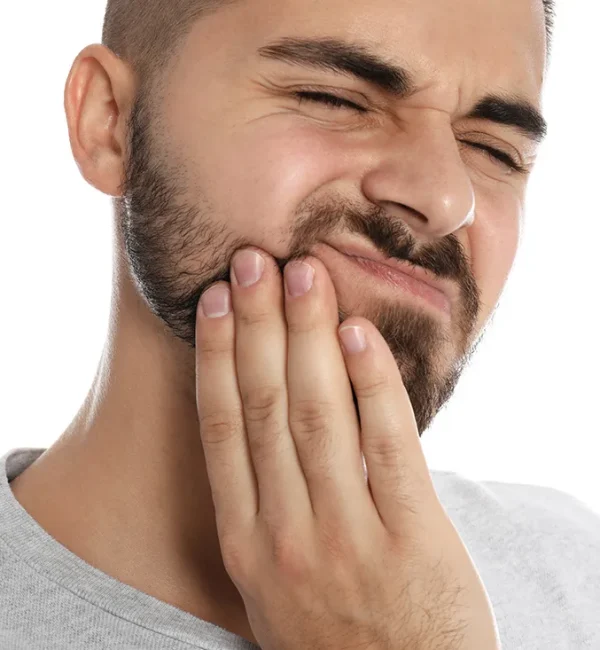
Jaw pain, clicking, popping, locking, headaches, and muscle tension are not symptoms you should have to live with. TMJ/TMD can come from many different sources, including teeth grinding, bite imbalance, stress-related clenching, joint inflammation, jaw overuse, trauma, or other underlying conditions.
Because the cause is not always obvious, the right diagnosis matters. At Potomac Crown Dentistry, we’ll evaluate your symptoms, bite, jaw movement, and oral health to better understand what is happening and what treatment may help.
If your jaw pain is affecting your daily life, we can help you take the next step toward relief.
Stress-Free Care For You
We’re committed to making TMJ/TMD care feel approachable, clear, and accessible. During your visit, we’ll listen to your concerns, evaluate your symptoms, and explain your options in a way that helps you feel informed instead of overwhelmed.
Our team can also help you understand costs and financing options so your treatment plan fits your health needs, lifestyle, and budget.
- Discuss your issues
- Get an expert opinion
- Learn about treatment plan options
Meet Dr. Simranjit Bawa
Advanced Tools for Precise Care
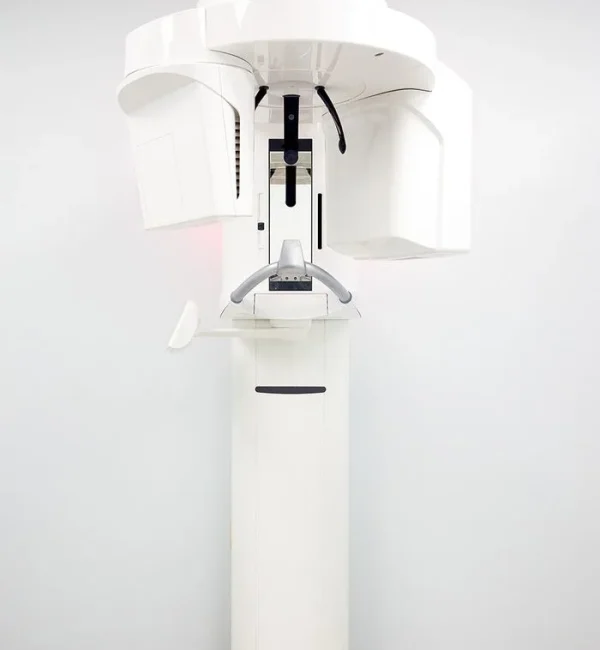
While traditional x-rays provide 2-dimensional images, our Cone-Beam Computed Tomography (CBCT) can capture a 360 view of your jaw, teeth, and mouth. This unparalleled precision allows your dentist to provide the most accurate diagnosis for your unique condition.
The Benefits
of TMJ/TMD
Treatment
Relieve Your Pain
And Discomfort
TMJ/TMD can cause jaw soreness, facial tension, headaches, and discomfort that interferes with daily life. With the right diagnosis and treatment plan, we can help reduce strain on the jaw and support a more comfortable bite.
Restore Oral
Range Of Motion
TMJ/TMD can make your jaw “lock” or stiffen. This makes it hard to open and close your mouth properly, which could interfere with biting, eating, and even speaking. Treating TMJ/TMD restores your oral range of motion.
A Plan Built
Around the Cause
TMJ/TMD is not one-size-fits-all. Your symptoms may be related to clenching, grinding, bite issues, joint inflammation, stress, airway concerns, or other factors. We evaluate the cause before recommending treatment, so your care is tailored to your actually needs.
The TMJ/TMD Treatment Process
Initial Consultation
& Diagnosis
Your treatment begins with a consultation and comprehensive exam. Dr. Bawa will discuss your symptoms, evaluate your teeth and bite, assess your jaw movement, and look for signs of grinding, muscle strain, or joint dysfunction.
When needed, advanced imaging such as CBCT may be used to better understand your jaw joints, teeth, and surrounding structures. This helps us make a more accurate diagnosis and recommend care that fits your specific situation.
Developing Your
Treatment Plan
Once we understand what may be contributing to your symptoms, we’ll create a custom treatment plan. Depending on your needs, treatment may include oral appliance therapy, bite support, Botox injections, orthodontic treatment such as Invisalign, or other conservative therapies.
We’ll explain your options clearly, including what each treatment is designed to do, what to expect, and how it may help improve your comfort and jaw function. The goal is not just to temporarily mask pain. It is to reduce strain, support healthier movement, and help your jaw function more comfortably over time.

Lifestyle Changes
& Physical Therapy
Along with in-office treatment, certain lifestyle changes and at-home therapies may help reduce TMJ/TMD symptoms. These may include eating softer foods temporarily, limiting gum chewing, managing clenching habits, applying heat or cold therapy, and practicing gentle jaw exercises.
Dr. Bawa will review recommendations that make sense for your condition and explain how to support your recovery at home.
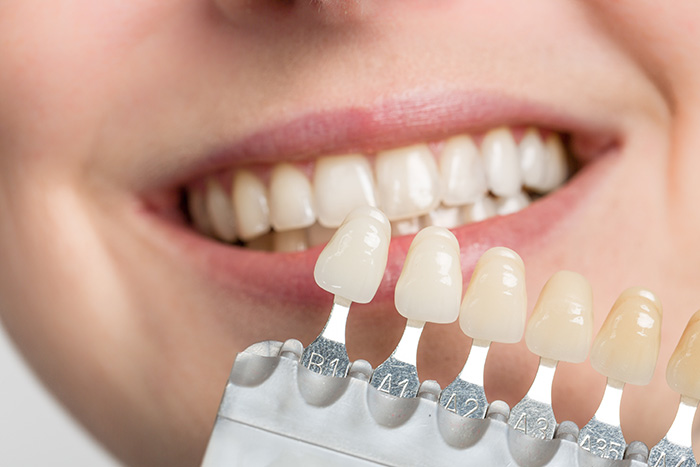
Porcelain Veneers
Sample text is being used as a placeholder. Sample text helps you understand how real text may look. Sample text is being used as a placeholder for real text that is normally present. Sample text helps you understand how real text may look.
FAQs
Frequently
Asked Questions
Check out these frequently asked questions, or call us to speak with our team.
What are TMD symptoms?
The symptoms of TMD vary quite a bit depending on the patient. You may experience issues like:
- Pain and stiffness
- Migraine headaches
- Clicking or popping noises when moving your jaw
- Difficulty opening your jaws all the way
- Pain when chewing or eating
If you notice any of these symptoms, we recommend scheduling an appointment with your dentist right away to get help.
What causes TMD?
TMD and TMJ pain is caused by a variety of different issues:
- Direct trauma to the temporomandibular joint
- Bite and tooth
- Bruxism or teeth grinding
- Lifestyle issues, such as excessive gum chewing
- Inflammatory and autoimmune disorders, like arthritis
Because TMD and TMJ pain can be caused by so many different health issues, it’s important to see an experienced dentist when seeking care.
Can TMD go away on its own?
Some cases of mild TMD may go away on their own with lifestyle changes, such as ceasing gum chewing, de-stressing to eliminate teeth clenching, and more. However, if you suffer from the symptoms of TMD for more than a week or two, your condition may be chronic. To learn more about your specific case of TMD, it’s best to seek a qualified, experienced dentist to get the help you need.
How can I treat TMJ pain on my own?
Applying a hot compress to the area at 10-minute intervals can help with inflammation and control the pain and discomfort of TMD as your jaw heals.
It’s also a good idea to take steps to decrease jaw clenching, such as exercising and de-stressing to reduce the likelihood of nighttime teeth grinding. You may also want to consider ceasing gum chewing, and eating a diet of mostly soft foods to minimize the work your jaw muscles must do while they heal.
You can also use over-the-counter medicines like ibuprofen to help control pain and inflammation as your jaw heals, and you recover from TMD.
While some cases of TMD are minor and can be resolved with these simple steps and other at-home remedies, you should consider seeking help if you experience serious pain and discomfort, or if your symptoms persist for 1-2 weeks or longer.
Ready when you are
Your best smile is one
appointment away
Your best smile is one appointment away
Phone
Address
Hours
Mon 9 AM – 5 PM
Tue 9 AM – 5 PM
Wed Closed
Thu 9 AM – 5 PM
Fri 9 AM – 5 PM
Sat Closed
Sun Closed
© Potomac Crown Dentistry 2026 | PRIVACY POLICY
Website by DPM